Indigo Prophecy: The Case for Demos as Game Design
The Magic of Demos #
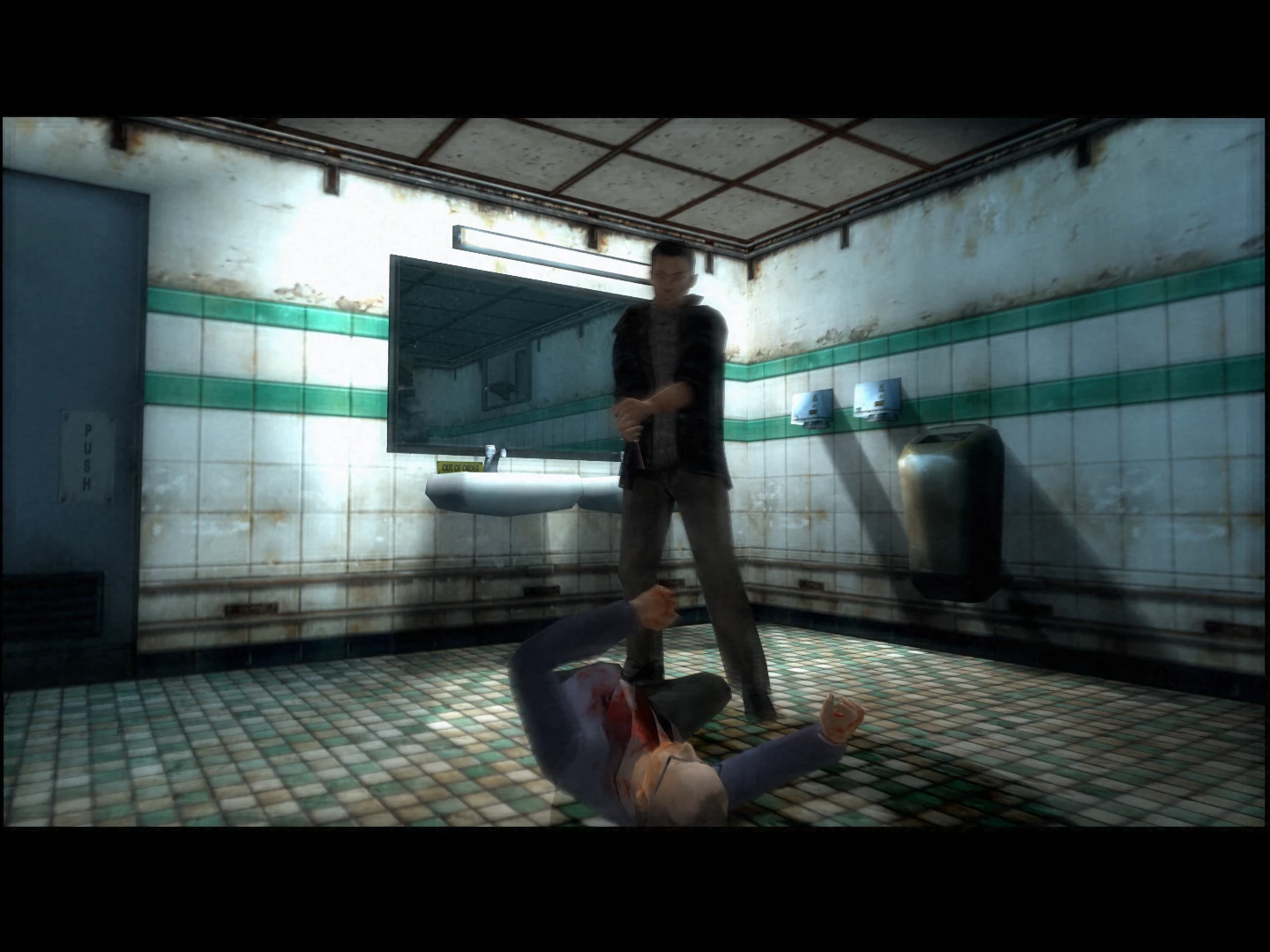
I remember playing the demo of Indigo Prophecy (known as Fahrenheit in Australia) when I was younger. The demo plays out the intro (as shown above) through to the end of what’s effectively the first level. It was tense and gripping, and felt at the time really innovative insofar as evoking a real sense of panic and urgency.
The premise was simple. After coming out of some seemingly supernatural possession, you realise you have murdered someone in a diner’s bathroom, and now you must get away from the crime scene before you’re spotted. There’s a cop sitting at the diner’s booth, and it’s only a matter of time until he decides to visit the bathroom. Real-time split-screen views are shown of what’s happening in the diner, which was really interesting to see at the time.
From here you can choose to clean things up to buy some time before fleeing. Hide the body in the bathroom stall, clean up the pool of blood, wash your hands, hide the murder weapon, among other things, or just get out back into the diner and finish your food and inspect things to get some context on what’s going on, who you are, and what may have happened. The game is new to you, so you’re not sure how long you can linger, and what the fail state is, so you decide to leave as to not get caught. Once you do successfully leave, there’s foreshadowing with an unhoused man behind the diner, who seems aware of more than we know. It was a thrill.
You of course notice there is a mental health mechanic, i.e., a vertical bar that shows the character’s current mental health state. Right after the murder, it plummets, and doing certain actions can bring it up or down, for example, hiding the body and cleaning up the blood reduces anxiety. You don’t get to explore it much in the demo, but it does intrigue you on how it will play out in the full game.
But you play the demo again and again, and try different routes, you get caught, you try inspecting more things, and realise there’s a lot of depth in this once scene, and a lot of unanswered questions. If the first scene of the game is this intriguing and well-made, just imagine what the entire game will be like.
Faltering #
Last month I finally completed the entire game.
After the first level, it continues with the same mechanics, but you play the other side as two detectives analysing the crime scene, where evidence is contingent on the actions you did in the prior level, down to specifics like whether you completed your meal or not. I was hopeful, but unfortunately, it doesn’t take long for the game to take a nosedive in terms of gameplay and story.
For the gameplay, it degrades to a barrage of quick time events (QTEs), often way too long and unforgiving. There were some interesting elements of interactivity, but just too much padding. It wasn’t tight anymore, especially as the player progresses and find doing the same QTE mechanics over and over again.
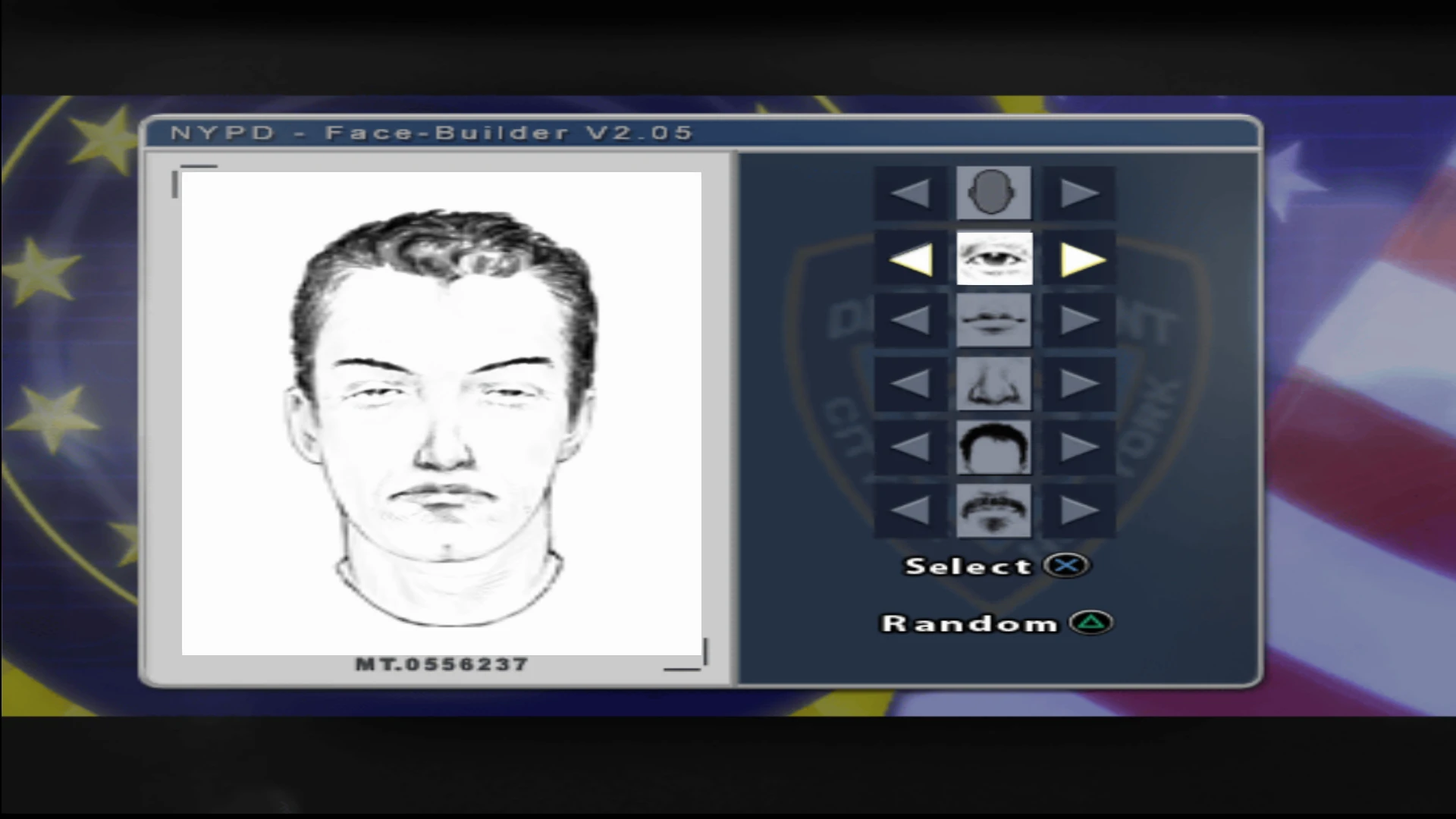
Insofar as the story, in my opinion, whatever story the player had swirling in their mind ascertained from the demo was better left that way. In the eleventh hour, exposition is ramped up, supernatural elements are pushed beyond parody, a love interest is forced with little to no setup.
You feel the rushed aspects of the game, as detail gets stripped, and continuity gets chopped for the sake of progressing the story.
What Could Have Been #
It’s impressive they shipped the game, and I did sense there was pressure felt for the game to be long, and story-complete, and that much of the effort was beginning-heavy.
There was too much padding to bloat the playtime, entire mandatory scenes that added nothing and could have been entirely dropped (in one you just play a long game of basketball), and gameplay elements (mostly overstayed QTEs) that didn’t need to be so long and repetitive.
The story didn’t need to answer all the mysteries, they are what made the demo intriguing. I think the story could have been edited down to more than half of what was in there, leaving open questions.
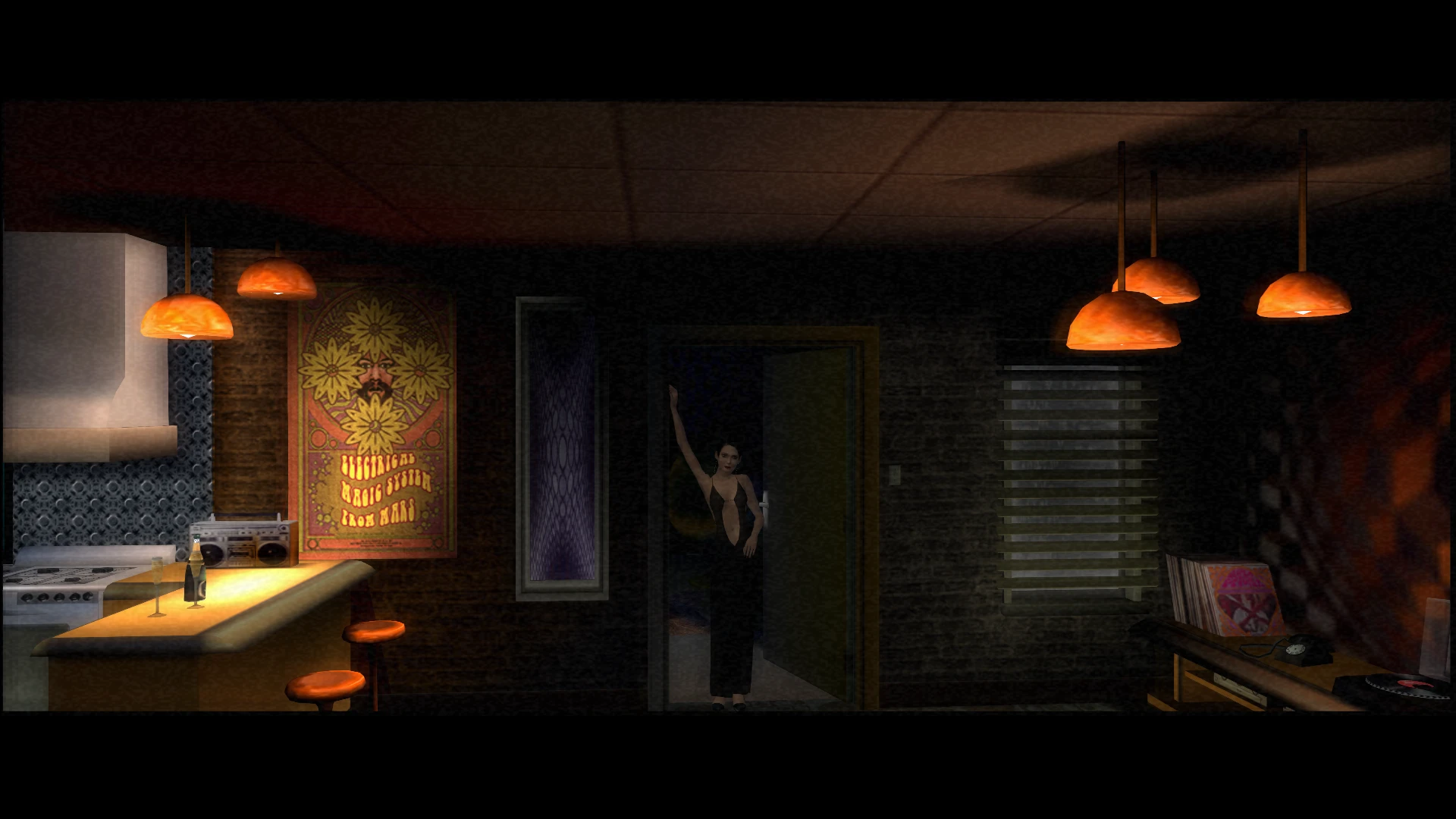
If only they had kept the same tight detail and intrigue of the demo scene throughout the entire game (the demo’s magic was still present, just less and less as the game progressed). Sure the game may have been a lot shorter, and the story would have been left unanswered, but the demo had all that and in my opinion it was a better experience than the full game.
For Indigo Prophecy, less was more.
No AI was used to write this